The Evolution of Banking Communication
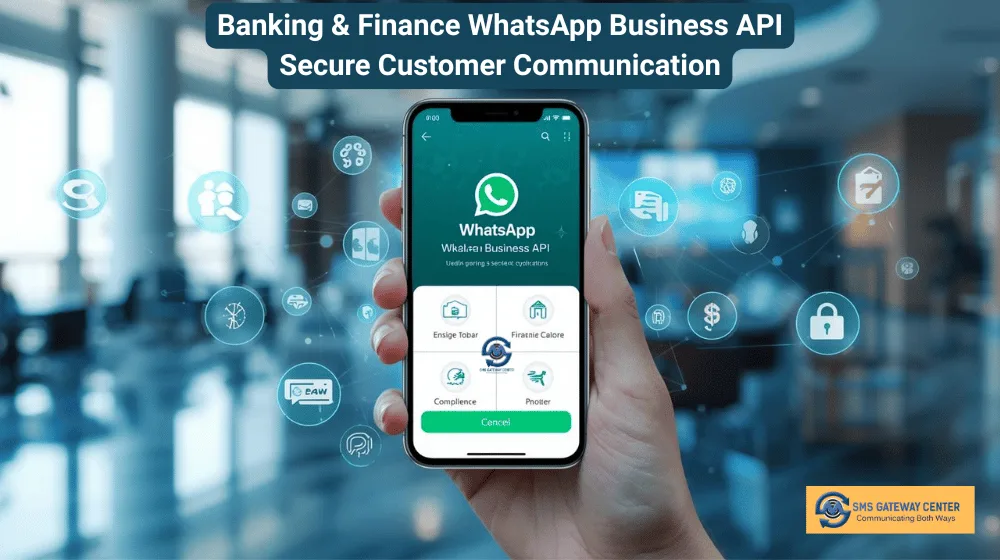
Traditional banking communication relied heavily on emails, SMS, and phone calls. While these methods served their purpose, they often lacked the immediacy and engagement that modern customers expect. The introduction of WhatsApp Business API has revolutionized how financial institutions interact with their customers, providing a familiar and trusted communication channel that users already rely on daily.
Why WhatsApp Business API for Banking?
WhatsApp Business API offers several unique advantages for financial institutions:
- High Engagement Rates: With over 2 billion users globally and 400+ million users in India, WhatsApp ensures maximum reach
- Rich Media Support: Send documents, images, and interactive messages
- End-to-End Encryption: Built-in security for sensitive financial communications
- Familiar Interface: Customers already use WhatsApp for personal communication
- Real-time Delivery: Instant message delivery and read receipts
Core Banking Communication Use Cases
1. Account Notifications
Account notifications form the backbone of banking communication. Financial institutions use WhatsApp Business API to send:
Account Activity Alerts
- New account opening confirmations
- Account balance updates
- Monthly statement notifications
- Account closure confirmations
Security Notifications
- Suspicious activity alerts
- Login attempt notifications
- Password change confirmations
- Two-factor authentication codes
Service Updates
- New feature announcements
- System maintenance notifications
- Policy change communications
- Service outage alerts
2. Transaction Alerts
Real-time transaction alerts are crucial for customer security and trust. WhatsApp Business API enables banks to send:
Payment Confirmations
- Credit card transaction alerts
- Fund transfer confirmations
- Bill payment notifications
- Online purchase confirmations
Fraud Prevention
- Unusual spending pattern alerts
- International transaction notifications
- High-value transaction confirmations
- Card usage alerts
Account Movements
- Salary credit notifications
- Interest credit alerts
- EMI deduction confirmations
- Investment transaction updates
3. Loan Applications and Management
The loan application process can be streamlined significantly with WhatsApp Business API:
Application Process
- Application submission confirmations
- Document requirement notifications
- Application status updates
- Approval/rejection notifications
Loan Management
- EMI due date reminders
- Payment confirmations
- Prepayment options
- Loan closure notifications
Customer Support
- Loan-related queries
- Payment assistance
- Documentation support
- Refinancing options
4. Security and Compliance
Security and compliance are paramount in financial services. WhatsApp Business API helps maintain these standards:
Regulatory Compliance
- DLT (Distributed Ledger Technology) compliance
- TRAI (Telecom Regulatory Authority of India) regulations
- RBI (Reserve Bank of India) guidelines
- Data protection compliance
Security Features
- End-to-end encryption
- Message authentication
- Secure file sharing
- Audit trail maintenance
Implementation Best Practices
1. Template Design and Approval
Creating effective WhatsApp message templates requires careful consideration:
Template Categories
- Transactional Templates: For account-related notifications
- Promotional Templates: For new products and services
- Utility Templates: For customer service interactions
Template Optimization
- Keep messages concise and clear
- Use appropriate call-to-action buttons
- Include relevant variable fields
- Ensure compliance with Meta’s policies
2. Customer Onboarding
Proper customer onboarding is essential for successful WhatsApp Business API implementation:
Opt-in Process
- Clear consent mechanisms
- Privacy policy communication
- Service terms explanation
- Easy opt-out options
Welcome Messages
- Service introduction
- Available features overview
- Contact information
- Support channels
3. Integration with Banking Systems
Seamless integration with existing banking infrastructure is crucial:
API Integration
- Core banking system connectivity
- CRM system integration
- Customer database synchronization
- Transaction processing systems
Data Security
- Secure API endpoints
- Encryption protocols
- Access control mechanisms
- Regular security audits
Compliance and Regulatory Considerations
TRAI DLT Compliance
In India, financial institutions must comply with TRAI’s DLT regulations:
Template Registration
- Pre-approved message templates
- Entity registration requirements
- Header and footer compliance
- Variable field management
Consent Management
- Customer opt-in records
- Consent withdrawal mechanisms
- Preference management
- Audit trail maintenance
RBI Guidelines
The Reserve Bank of India has specific guidelines for digital banking communication:
Data Protection
- Customer data security
- Privacy policy compliance
- Data retention policies
- Cross-border data transfer
Transaction Security
- Secure authentication
- Fraud prevention measures
- Risk management protocols
- Incident reporting
Success Stories and Case Studies
Leading Indian Banks
Several major Indian banks have successfully implemented WhatsApp Business API:
HDFC Bank
- Implemented WhatsApp for customer service
- Reduced response time by 60%
- Improved customer satisfaction scores
- Streamlined account opening process
ICICI Bank
- Launched WhatsApp banking services
- Enhanced transaction alerts
- Improved customer engagement
- Reduced call center volume
Axis Bank
- Integrated WhatsApp with core banking
- Automated loan application process
- Enhanced security notifications
- Improved customer retention
Fintech Companies
Fintech companies have also leveraged WhatsApp Business API effectively:
Paytm
- Payment confirmation messages
- Wallet transaction alerts
- Customer support integration
- Promotional campaigns
PhonePe
- Transaction notifications
- Bill payment reminders
- Customer service automation
- Feature announcements
Technical Implementation Guide
1. API Setup and Configuration
Initial Setup
- WhatsApp Business API account creation
- Business verification process
- Phone number verification
- Template submission and approval
Integration Steps
- API endpoint configuration
- Webhook setup for message status
- Authentication token management
- Error handling implementation
2. Message Template Development
Template Creation
- Content design and approval
- Variable field definition
- Category selection
- Compliance verification
Testing and Optimization
- Template testing
- Delivery rate monitoring
- Customer feedback analysis
- Performance optimization
3. Security Implementation
Authentication
- API key management
- Token refresh mechanisms
- Access control policies
- Rate limiting implementation
Data Protection
- Message encryption
- Secure data storage
- Privacy compliance
- Audit logging
Measuring Success and ROI
Key Performance Indicators (KPIs)
Engagement Metrics
- Message delivery rates
- Read receipt percentages
- Response rates
- Customer satisfaction scores
Operational Metrics
- Response time reduction
- Call center volume decrease
- Customer service efficiency
- Cost per interaction
Business Metrics
- Customer retention rates
- Cross-selling success
- Application completion rates
- Revenue impact
Analytics and Reporting
Message Analytics
- Delivery statistics
- Engagement patterns
- Response analysis
- Performance trends
Customer Insights
- Communication preferences
- Service usage patterns
- Feedback analysis
- Behavior insights
Future Trends and Innovations
Emerging Technologies
AI and Machine Learning
- Chatbot integration
- Predictive messaging
- Personalized communication
- Automated responses
Advanced Features
- Interactive buttons
- Rich media messages
- Voice message support
- Video calling integration
Regulatory Evolution
Upcoming Regulations
- Enhanced privacy laws
- Stricter compliance requirements
- Cross-border communication rules
- Data localization mandates
Best Practices for Financial Institutions
1. Customer Experience Focus
Personalization
- Tailored message content
- Relevant timing
- Appropriate frequency
- Contextual communication
Accessibility
- Multi-language support
- Accessibility features
- Device compatibility
- Network optimization
2. Security First Approach
Data Protection
- Encryption at rest and in transit
- Secure key management
- Regular security audits
- Incident response planning
Compliance Management
- Regular policy updates
- Staff training programs
- Audit trail maintenance
- Regulatory reporting
3. Continuous Improvement
Performance Monitoring
- Real-time analytics
- Regular performance reviews
- Customer feedback integration
- Continuous optimization
Innovation Adoption
- New feature evaluation
- Technology upgrades
- Process improvements
- Customer experience enhancement
Conclusion
The WhatsApp Business API represents a significant opportunity for banking and finance institutions to enhance customer communication while maintaining the highest standards of security and compliance. By implementing proper templates, ensuring regulatory compliance, and focusing on customer experience, financial institutions can leverage this powerful platform to build stronger relationships with their customers.
The key to success lies in understanding customer needs, implementing robust security measures, and continuously optimizing the communication experience. As the financial services industry continues to evolve, WhatsApp Business API will play an increasingly important role in shaping the future of banking communication.
For financial institutions looking to implement WhatsApp Business API, it’s essential to work with experienced partners who understand both the technical requirements and regulatory landscape. With proper planning and execution, WhatsApp Business API can transform customer communication and drive significant business value.
Ready to transform your banking communication with WhatsApp Business API? Contact SMSGatewayCenter today to learn how our secure, compliant, and feature-rich WhatsApp Business API solution can help your financial institution enhance customer engagement while maintaining the highest standards of security and compliance.
More Articles
API Rate Limiting and Throttling: Best Practices for SMS Services
Understanding SMS Gateway Architecture: A Technical Overview
Healthcare WhatsApp Business API: Patient Communication Best Practices